Shemōs and Jewish exceptionalism / שמות
This is a weekly series
of parsha dvarim (Tōrah commentaries) written by an orthodox atheist transsexual anarchist, with guest posts from comrades. It's the work of each generation to extricate meaning from our cultural and religious inheritance, and it's crucial that we resist the narrative that Zionism owns Judaism. We aim to offer comment which is true to the pshat (i.e. engages with the plain meaning of the text, especially when it's difficult) and uses Tōrah like a light to reflect on our modern times.
Read more commentary on parshas Shemōs
Last year I wrote about how it took Hashem seven generations to notice the suffering of the enslaved Israelites.
An appeal
My friend Lina needs help surviving in Gaza. Any amount you can give helps tremendously.
Content note
Genocide in Palestine; slavery
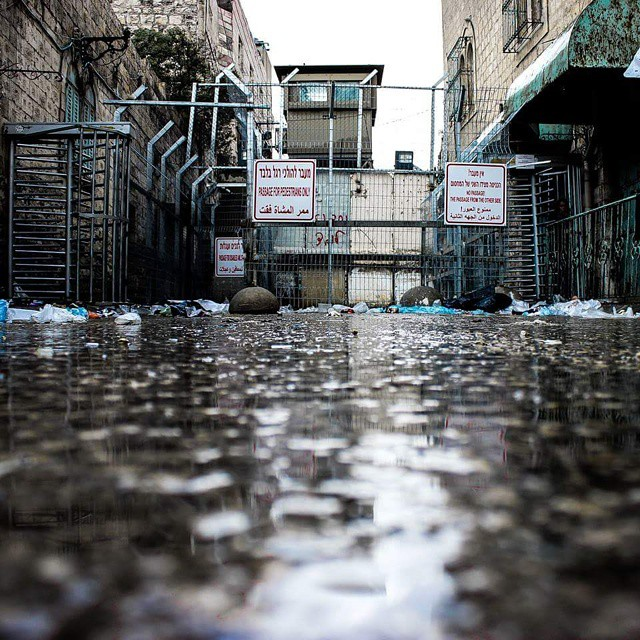
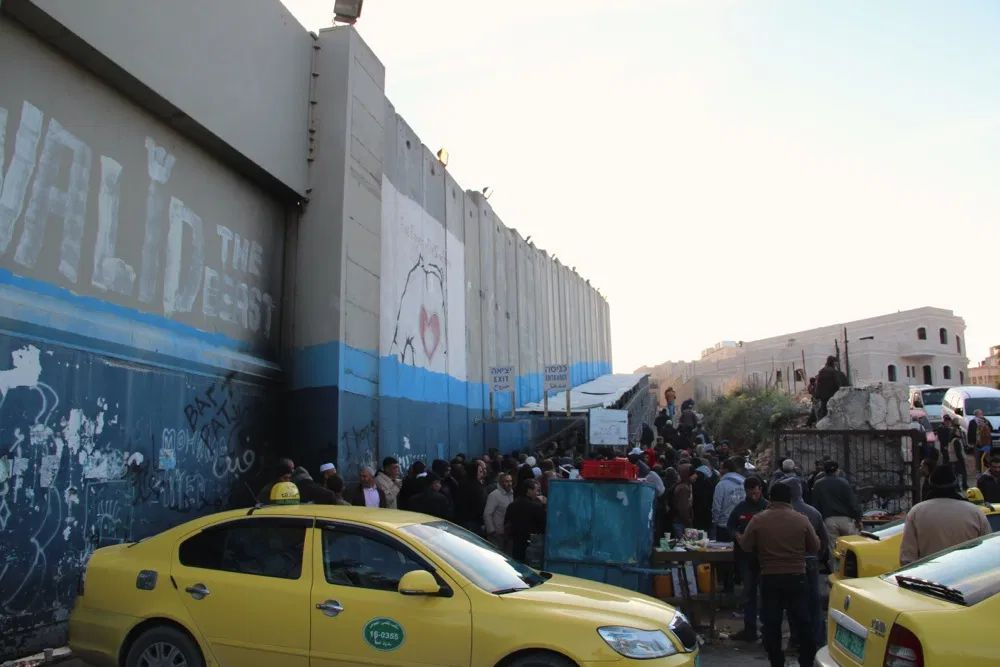
"Tarpat checkpoint in Hebron", CPT Palestine, 11 April 2015; "An Israeli checkpoint in the West Bank" that Palestinians living in Bethlehem must pass daily to get to their jobs in Jerusalem, Samuel Smith, 12 March 2014.
The first parsha in Shemōs introduces the narrative of Jewish suffering at the hands not of Hashem or individual bad actors but systemically, by the entire nation of Mitsrayim. Parō has xenophobic anxieties about how "numerous" the Israelites have become. We are enslaved.
Shemōs 1:11
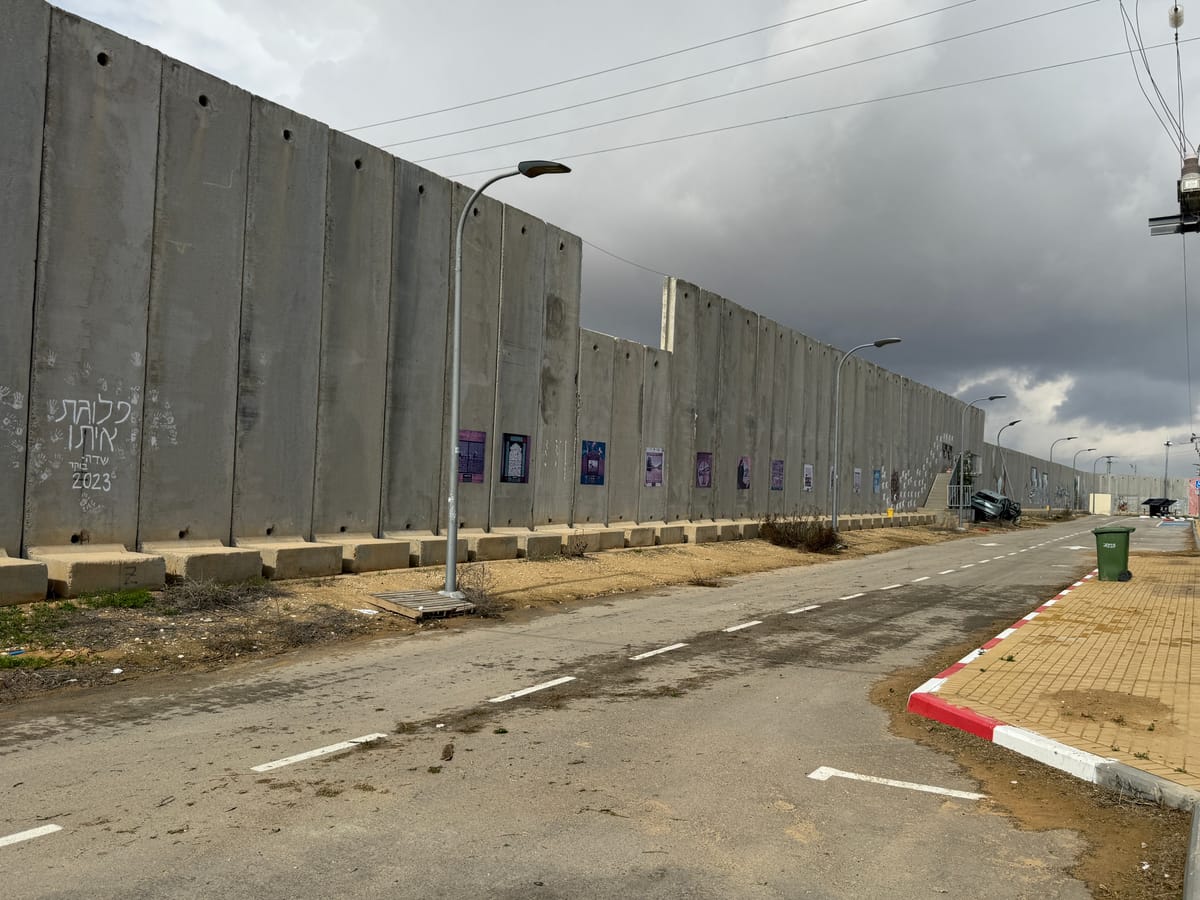
The parallels to Israel/Palestine are obvious, and this time it's not the Jews who are kept behind walls and checkpoints.
Anyone who knows Tōrah and Jewish history should know who the bad guys are today. (Anyone with a heart will side with Palestine in solidarity, regardless of their Jewish education.) The actions of the IDF since October 7, displayed across our screens with pride, completely disambiguate the "complexity" of the situation.
In November 2025, speechwriter to both Obamas Sarah Hurwitz complained that kids these days don't understand antisemitism because they universalize the lesson of the Holocaust:
You have TikTok just smashing our young peoples’ brains all day long with video of carnage in Gaza. And this is why so many of us can’t have a sane conversation with younger Jews, because anything we try to say to them, they are hearing it through this wall of carnage. So I wanna give data and information and facts and arguments and they are just seeing in their minds carnage, and I sound obscene. ... Holocaust education is absolutely essential, but I think it may be confusing some of our young people about antisemitism because they learn about big strong Nazis hurting weak emaciated Jews and they think, "Oh antisemitism is like anti-Black racism right? Powerful white people against powerless Black people." So when on TikTok all day long they see powerful Israelis hurting weak, skinny Palestinians, it's not surprising that they think, "Oh I know, the lesson of the Holocaust is you fight Israel. You fight the big powerful people hurting the weak people." That's not how the Holocaust happened … The Germans insisted that the Jews, about 1% of their population, were responsible for all of their problems, just like Israel, the size of New Jersey, is responsible for all the world's problems today.
—Sarah Hurwitz, Jewish Federation General Assembly, Washington DC, 16 November 2025
Hurwitz's complaint is that social media shows us a wall of carnage—mass death of Palestinians is fine as long as impressionable youth don't witness it and come to the naive conclusion of "genocide is bad".
This is the end of the public preview. Sign up for $5 a month to read the full dvar and support trans antizionist Tōrah scholarship.
Money shouldn't a barrier to accessing writing, art, and culture. If $5 a month isn't sustainable for you, please email me and I'll send you the link to sign up for free.