Dvorim and our Debt to the Dead / דברים און אונדזער חובֿות צום מתים
Our obligations to our ancestors and martyred dead are great, but greater is our obligation to the living.

This is a weekly series
of parsha dvarim (Tōrah commentaries) written by a frum, atheist, transsexual anarchist, with guest posts from comrades. It's crucial in these times that we resist the narrative that Zionism owns Judaism. Our texts are rich—sometimes opaque, but absolutely teeming with wisdom and fierce debate. It's the work of each generation to extricate meaning from our cultural and religious inheritance. I aim to offer comment which is true to the pshat (i.e. engages with the plain meaning of the text, especially when it's difficult) and uses Tōrah like a light to reflect on our modern times.
An appeal
My friend Kamal needs help to leave Gaza. He is trying to immigrate to Greece to search for his missing son, who in desperation took a small and dangerous lifeboat across the Mediterranean. Please donate what you can.
Content note
Genocide in Palestine
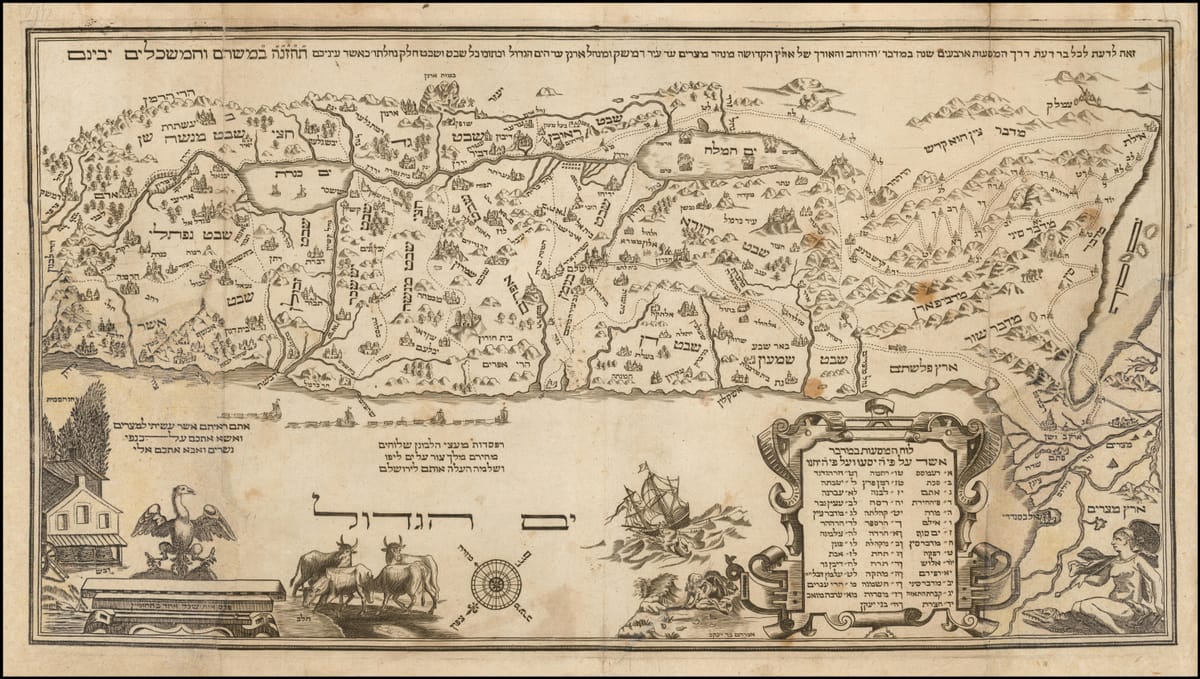
"Take the land."
This is the first parsha in the last book of Tōrah, and it's largely a reminder of what happened in Bmidbar told through Mōshe Rebeynu. We remember how the bickering of the Israelites frustrated him. He appointed new leaders as delegates for the new legal system. The spies returned from Knaan and whipped the people into a panic, and the Israelites refused to enter the land; they were punished with wandering until that generation died. Mōshe recounts too the travels through different lands not ours, not promised us. He speaks his peace, chastising the Israelites for their wrongs and lack of faith as he prepares to die. An exit interview.
Dvarim 1:5
That this parsha is a reiteration of previous stories highlights the importance of remembrance in Jewish tradition. "Remember" is a constant refrain and commandment, and here repetition of our story is framed as a teaching. We remember not only the events but words. Our ancestors are a vital, almost-living part of our ongoing narratives.
Immediately following Shabos this week, we enter Tisha b'Ov, the saddest day on the Jewish calendar.
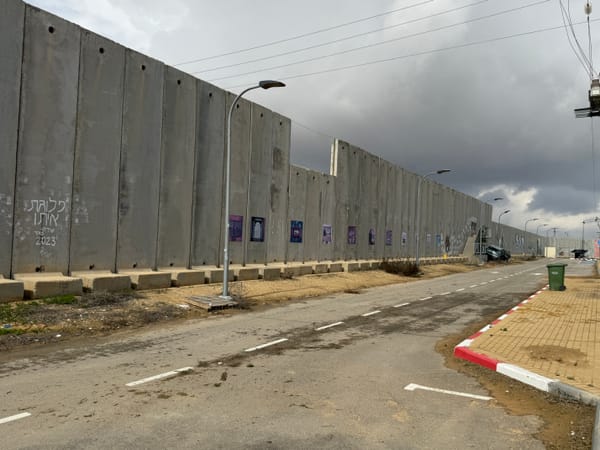
My griefs this year are in orbit with each other: the genocide in Palestine circled by my personal struggles as an antizionst Jew of conscience. I'm mourning the mass death, the resulting trauma and loss of culture: asymmetrically, Palestinian and Jewish. How can I be observant right now? Our tradition has gone to great lengths to pivot away from the gleeful militarism of this parsha and last, only to turn violently (and relatively recently) toward nationalism.
This is the end of the public preview. Sign up for $5 a month to read the full dvar and support trans antizionist Tōrah scholarship.
Money shouldn't a barrier to accessing writing, art, and culture. If $5 a month isn't sustainable for you, please email me and I'll send you the link to sign up for free.