Ḥukas and Mutual aid / חקת און אַנאַדיקע הילף
What opaque ritual and spell-casting can teach us about altruism.

This is a weekly series
of parsha dvarim (Tōrah commentaries) written by a frum, atheist, transsexual anarchist. It's crucial in these times that we resist the narrative that Zionism owns Judaism. Our texts are rich—sometimes opaque, but absolutely teeming with wisdom and fierce debate. It's the work of each generation to extricate meaning from our cultural and religious inheritance. I aim to offer comment which is true to the pshat (i.e. engages with the plain meaning of the text, especially when it's difficult) and uses Tōrah like a light to reflect on our modern times.
An appeal
My friend Kamal needs help to leave Gaza. He is trying to immigrate to Greece to search for his missing son, who in desperation took a small and dangerous lifeboat across the Mediterranean. Please donate what you can.
Content note
None :)
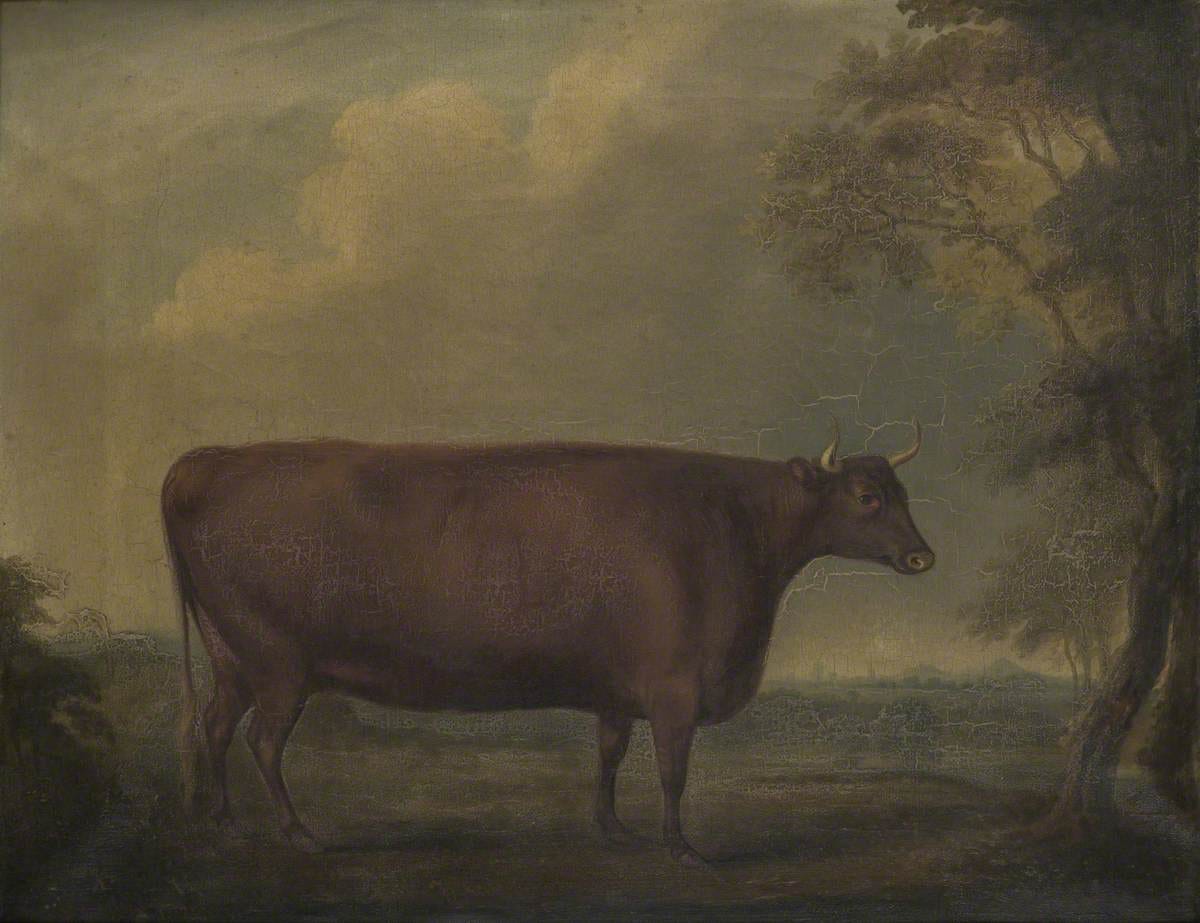
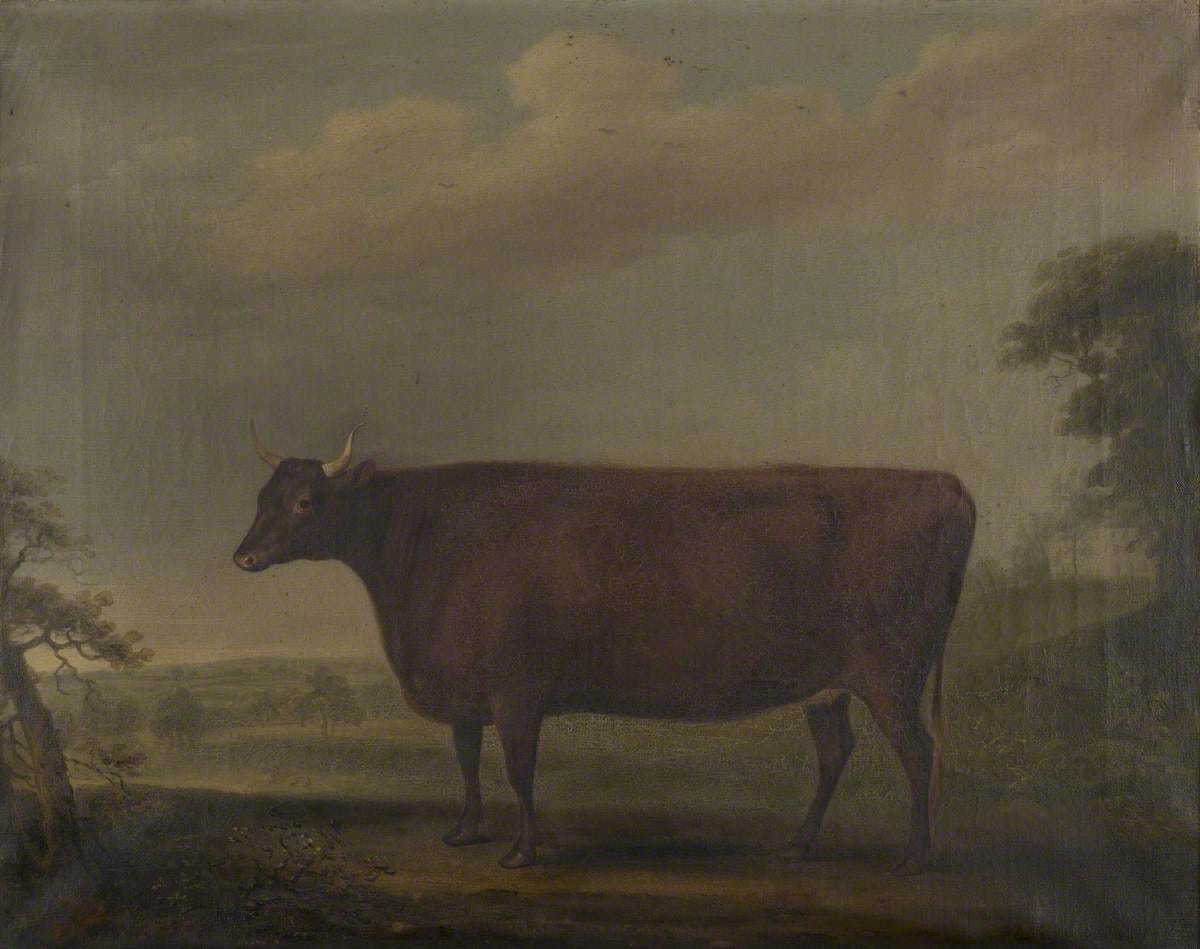
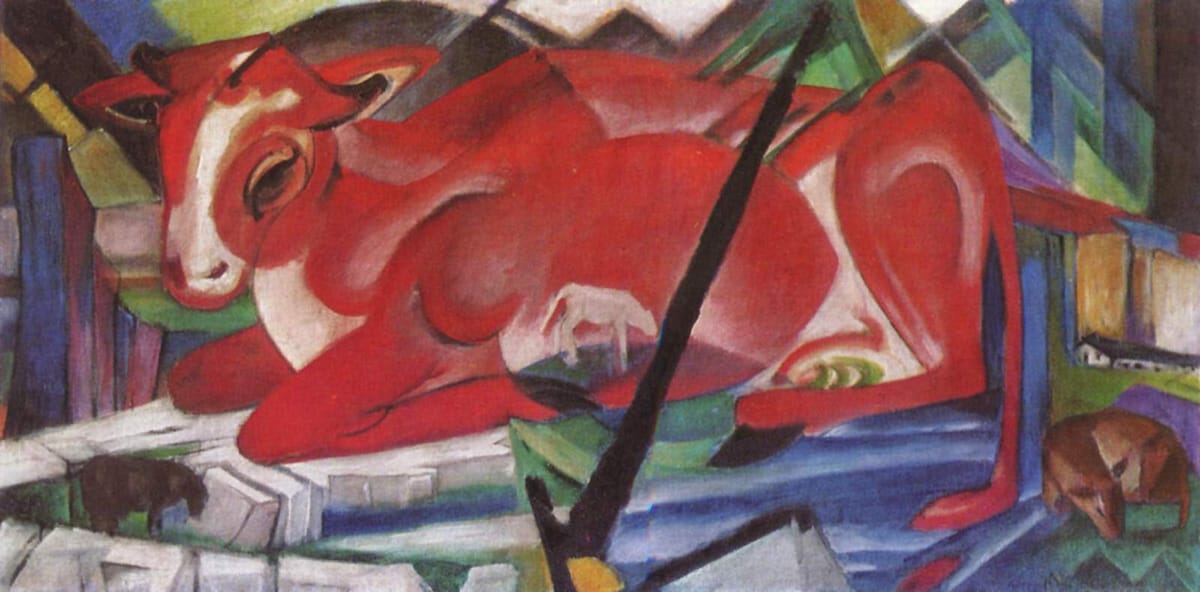
"Red Devon Heifers in Landscape", Thomas Weaver, 1812.
It's a meaty parsha.
The red heifer. Miriom dies. Mōshe strikes the rock and the waters of M'ribo flow forth. Ahrōn dies. Mōshe attempts to negotiate passage for the Israelites through foreign lands. The people complain about the food again and Hashem sends serpents which bite and kill the people until Mōshe intercedes by erecting a large pole with a copper serpent, ending the snake-plague. It ends with some victorious military battles.
The red heifer is an opaque ritual, impossible to conduct today without the Mishkon. But it shows us that we cannot carry the burden of Jewish ritual life alone. We need help.
This is the end of the public preview. Sign up for $5 a month to read the full dvar and support trans antizionist Tōrah scholarship.
Money shouldn't a barrier to accessing writing, art, and culture. If $5 a month isn't sustainable for you, please email me and I'll send you the link to sign up for free.