Shemōs and Suffering unnoticed / שמות
My atheistic crisis of faith
This is a weekly series of frum, trans, anarchist parsha dvarim. It's crucial in these times that we resist the narrative that Zionism owns or, worse, is Judaism. Our texts are rich—sometimes opaque, but absolutely teeming with wisdom and fierce debate. It's the work of each generation to extricate meaning from our cultural and religious inheritance. I aim to offer comment which is true to the source material (i.e. doesn't invert or invent meaning to make it more comfortable) and uses Torah like a light to reflect on our modern times.
Content note: Discussion of slavery, violence, xenophobia, genocide in Gaza; mentions of fires in Los Angeles, cobalt mining in the Congo, Islamophobia, Nova Festival deaths, Nazis
An appeal: My friend Manal and her family still need support buying food and paying for medical care, like everyone in Gaza still needs support. Please donate if you can.
I'm having a crisis of faith, which is a strange position to be in as an atheist. I'm davening less, and I'm increasingly less motivated to keep kashrus, to wrap tefilin, and (in my lowest moments) to keep Shabos. The reason I hold all of these ritual traditions is primarily because they are good for me, and secondarily out of obligation not to Hashem but to Yiddishkeyt. Cultural, religious, and linguistic plurality is extremely important to me: it's what makes humanity beautiful and interesting. Insisting on remembering what the Nazis tried to destroy is an act of antifascism. Ashkenazi Jewish traditions are my inheritance, my burden and my blessing. But tradition for its own sake is a repetition of biases and mistakes, and lately I'm questioning what's worth preserving.
My Jewish grandparents (b. early 1930s) would not understand my desire to be ba'al tshuva, my "return" to orthodox Judaism. They were both Reform Jews, and non-practicing ones at that. Their Jewishness was more a cultural and racial category than a religious one. I grew up in rural Colorado, 500 miles away from them with barely a dial up connection and little access to Jewish culture, or any culture. My mother also does not understand. Will my children understand? Will their children? I feel a pressure to preempt their questions about why I'm doing this—things that enrich my life but also objectively make it harder—if not out of fear of heaven.
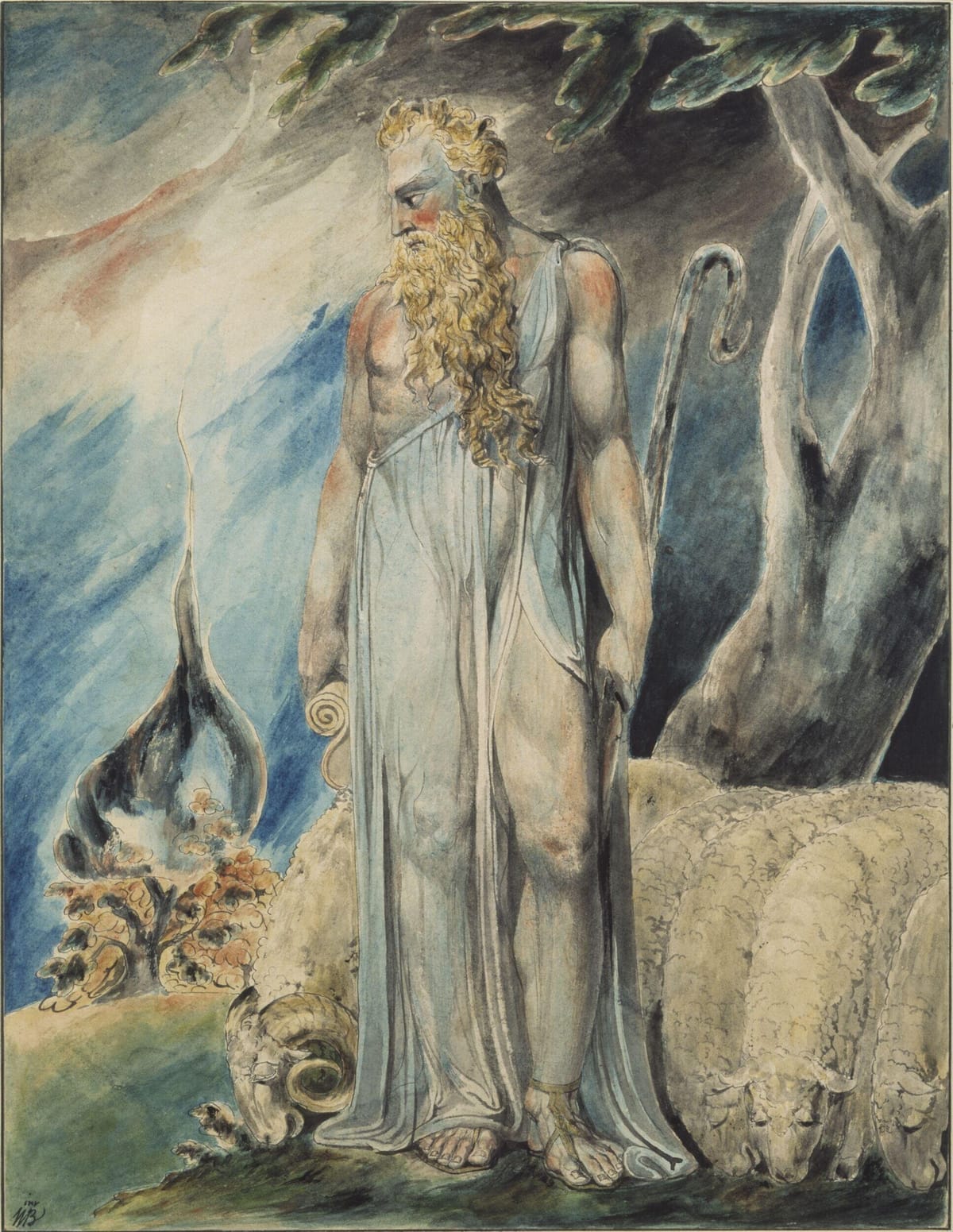
The parsha this week is the first section of Shemoys (Exodus): the death of Yosef and his generation, and our introduction to Moishe Rebeynu and the harsh conditions of the Israelites in Mitsrayim. Paro (Pharoh) wants all Hebrew boys killed by the midwives when they are born because "the Israelite people are too numerous for us". Moishe is enslaved and kills an overseer after witnessing him abuse another slave, and flees to Midion where he helps defend the family of a priest from shepherds with unspecified malintent. It's these acts of justice, I believe, that prompt Hashem to choose Moishe as the leader, the representative of the Jews and the most favored of all people.
וַיִּשְׁמַע אֱלֹהִים אֶת־נַאֲקָתָם וַיִּזְכֹּר אֱלֹהִים אֶת־בְּרִיתוֹ אֶת־אַבְרָהָם אֶת־יִצְחָק וְאֶת־יַעֲקֹב׃
וַיַּרְא אֱלֹהִים אֶת־בְּנֵי יִשְׂרָאֵל וַיֵּדַע אֱלֹהִים׃
God heard their moaning, and God remembered the covenant with Avrohom and Yitsik and Yakov.
God looked upon the Israelites, and God took notice of them.
Shemoys 2:23–25
The people are crying out for a "long time", and eventually God hears them. Eventually God remembers the covenant. Eventually God takes notice. Does this suggest that God does not always hear, remember, or notice us in our suffering? It sure seems that way. But I never feel connected to Hashem. I'm an atheist.
This is the end of the public preview. Sign up for $5 a month to read the full dvar and support trans antizionist Tōrah scholarship.
Money shouldn't a barrier to accessing writing, art, and culture. If $5 a month isn't sustainable for you, please email me and I'll send you the link to sign up for free.