Vayetsey and Hunger / ויצא און הונגער
The forsaken—the hungry—are not bound to the same obligations as those with bread, clothes, and peace

This is a weekly series
of parsha dvarim (Tōrah commentaries) written by an orthodox atheist transsexual anarchist, with guest posts from comrades. It's the work of each generation to extricate meaning from our cultural and religious inheritance, and it's crucial that we resist the narrative that Zionism owns Judaism. We aim to offer comment which is true to the pshat (i.e. engages with the plain meaning of the text, especially when it's difficult) and uses Tōrah like a light to reflect on our modern times.
Read more commentary on parshas Vayetsey.
An appeal
Before we start, an appeal: I'm still raising money for my young friend Areej. She's living in an IDP camp in Nuseirat, Gaza with her mother and four siblings. So far, with your generous help, I've sent her $340 to help them buy food. Today בס"ד I also raised $1,000 that was sent to another family living in the IDP camp. My immediate network is tapped for money right now, but if you have anything further to give, please donate. It will make a huge material difference to Areej and her family as they struggle to survive.
Content note
Discussion of starvation in Gaza; and poverty and hunger and more generally.
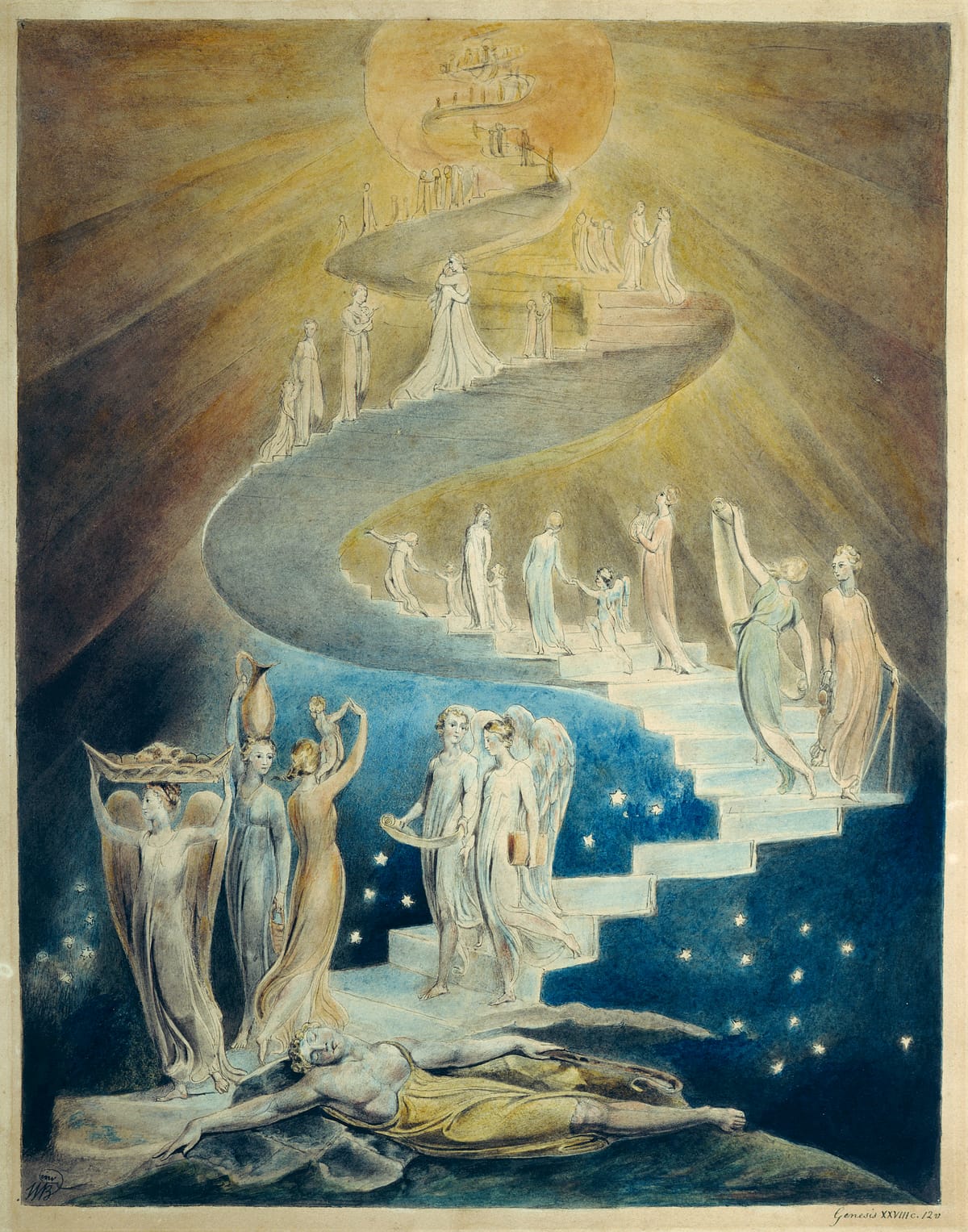
וְשַׁבְתִּי בְשָׁלוֹם אֶל־בֵּית אָבִי וְהָיָה יְהֹוָה לִי לֵאלֹהִים׃
so that I come back to my father’s house in peace, then Hashem shall be my God:
Bereshis 28:20–21
Yakov awakes from his dream afraid. He vows that if Hashem fulfills His promises, Yakov will accept the obligations of being a Jew. He's bargaining with Hashem. What are the promises made to Yakov and us, his descendants? What are the obligations of Jews, agreed/accepted on our behalf by our ancestors?
Sforno, Bereshis 28:20
In short, Yakov asks for the dignity required for spiritual focus: you can't worry about mitsvos when you're hungry or otherwise barely able to survive. And why should we offer devotion to a god who fails to provide for our most basic needs? How can we daven or improve the world or find our avode (purpose) when, as Sforno says, we're forced to violate our own integrity and by extension, Hashem's integrity? As we say in our daily liturgy: "What profit is there in my blood, when I go down to the pit? Shall dust praise You? Shall it declare Your truth?" (Tehillim 30:10).
רש“י, בראשית כח:כ
Rashi, Bereshis 28:20
According to Rashi, the righteous are not forsaken and neither are their children. The implication is: anyone who must beg for bread—who lacks basic human dignities—is not righteous, or at least not of righteous yikhus (heritage). The children are punished for the sins of their parents. This is fundamentally unjust. If Rashi is correct, then it is Hashem's righteousness which is called into question, not that of starving people.
Earlier in this parsha Hashem said, "And behold, I am with you" (Bereshis 28:15). But Yakov doubts this when he says "If G-d will be with me". Rabbi Huna said in the name of Rabbi Acha, "from here you infer that there is no assurance [even] to the righteous in this world." (Bereshis Raba 76:2). Contrary to Rashi, they say that the righteous too can starve.
This is the end of the public preview. Sign up for $5 a month to read the full dvar and support trans antizionist Tōrah scholarship.
Money shouldn't a barrier to accessing writing, art, and culture. If $5 a month isn't sustainable for you, please email me and I'll send you the link to sign up for free.