Voeyro and Hard hearts / וארא און שווערע הערצער
Wresting with Jewish distinction

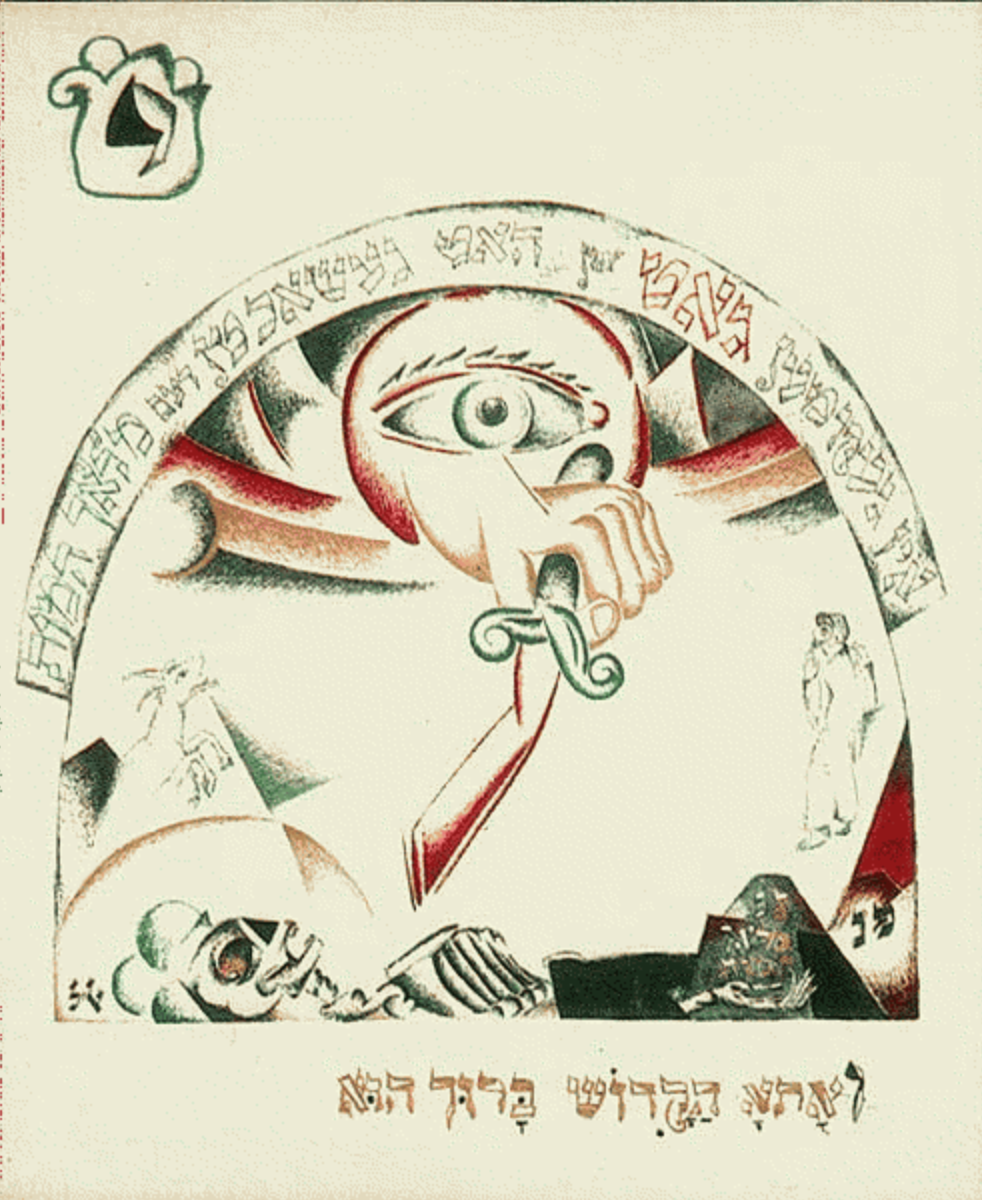
This is a weekly series of frum, trans, anarchist parsha dvarim. It's crucial in these times that we resist the narrative that Zionism owns or, worse, is Judaism. Our texts are rich—sometimes opaque, but absolutely teeming with wisdom and fierce debate. It's the work of each generation to extricate meaning from our cultural and religious inheritance. I aim to offer comment which is true to the source material (i.e. doesn't invert or invent meaning to make it more comfortable) and uses Torah like a light to reflect on our modern times.
Content note: Genocide in Gaza
An appeal: My friend Areej and her family have finally been allowed to return home in Central Gaza after living in an IDP camp tent for months, but their house was partially destroyed by the bombing. If you can donate even $5, please do. May this be the start of a lasting and meaningful peace as we all rebuild and move toward a free Palestine.
The parsha opens with Hashem speaking to Moishe Rebeynu. He reiterates that he has now heard the cry of the Israelites and remembers the covenant (this only-just-now hearing and remembering was the subject of my dvar for parsha Shemoys last week). It goes on to narrate suffering and collective punishment and the exceptional Jewish relationship to God: the tension between oneness and collectivity vs. separation and specialness.
The ceasefire has taken effect. There is finally something like relief after nearly 15 months of mass death. Has the cry of the people finally been heard? Why did it take so long?
Shemoys 7:3
Moishe and Aaron perform minor miracles with their rods to prove the existence of God. This does not sufficiently move Paroy to release the Israelites, because Hashem has hardened Paroy's heart.
Why does Hashem harden Paroy's heart? Rashi says it is so Hashem has good cause to prove Himself not to Paroy and the heathens of Mitsrayim but to the Israelites. All of the suffering and death that will result from the plagues are in service of strengthening the relationship between Hashem and the soon-to-be Jews.
וְאוּלָם בַּעֲבוּר זֹאת הֶעֱמַדְתִּיךָ בַּעֲבוּר הַרְאֹתְךָ אֶת־כֹּחִי וּלְמַעַן סַפֵּר שְׁמִי בְּכׇל־הָאָרֶץ׃
Shemoys 9:15–16
But the text later states that the purpose of these horrible miracles is not only to secure the faith of the Israelites. Hashem wants attention, recognition, and worship or at least respect and reputation throughout not only Mitsrayim but the whole world. This divine outburst does not seem to come from a place of strength. What kind of relationship is Hashem cultivating with the Jews that requires violence not only toward those who oppress us, but innocents who happen to live there too? Why is collective punishment the answer?
This is the end of the public preview. Sign up for $5 a month to read the full dvar and support trans antizionist Tōrah scholarship.
Money shouldn't a barrier to accessing writing, art, and culture. If $5 a month isn't sustainable for you, please email me and I'll send you the link to sign up for free.