Vayetsey and Labor / ויצא און אַרבעט
On the gendered ethics of labor modeled in Tōrah

This is a weekly series
of parsha dvarim (Tōrah commentaries) written by an orthodox atheist transsexual anarchist, with guest posts from comrades. It's the work of each generation to extricate meaning from our cultural and religious inheritance, and it's crucial that we resist the narrative that Zionism owns Judaism. We aim to offer comment which is true to the pshat (i.e. engages with the plain meaning of the text, especially when it's difficult) and uses Tōrah like a light to reflect on our modern times.
Read more commentary on parshas Vayetsey.
An appeal
My friends Areej and Farid need help in Gaza. They're teenage siblings who have not only lived through unbearable horrors, but they are responsible for providing for their family since their father was martyred by the IDF in 2023. The linked fundraiser is their means of supporting not only their family but their wider community, including people whose stories we don't see because they're not on social media. Any help you can provide is a literal lifeline to an entire world.
Content note
Sexism, sexual servitude, fertility

Marriage by deception
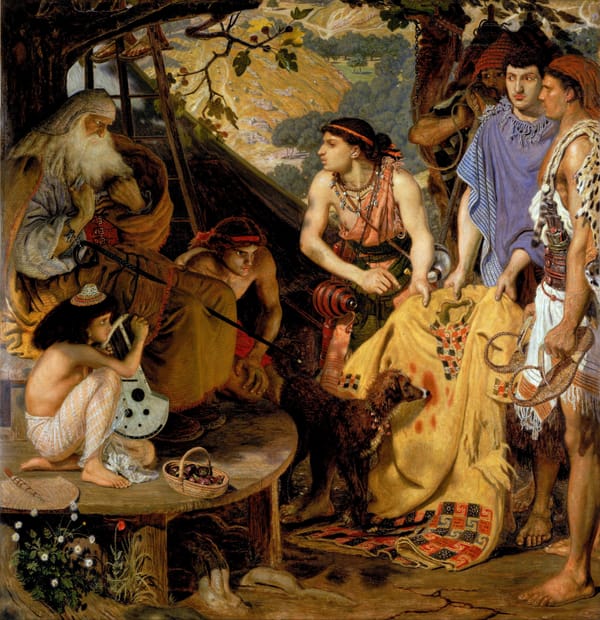
Yaakōv meets his beloved Roḥel and asks her father Lovon permission to marry her in exchange for 7 years of labor with Lovon's flock. Lovon agrees, but on the wedding day secretly swaps out Roḥel for her homelier sister Leyo as the veiled bride. Yaakōv keeps Leyo as his first wife and Lovon gives him Roḥel too on the condition that Yaakōv does another 7 years of work. After the 14 years served for his wives, Yaakōv works another 6 years on the promise of wages.
Tōrah models very different ethics regarding the manual labor of Yaakōv compared to the sexual labor of his wives' maidservants Bilho and Zilpo. In the first case, the narrative provides us with a clear hierarchy (boss and worker), but the reproductive labor is presented without qualifier or comment, as though it is obvious and natural.
Like most bosses, Lovon is in the business of exploitation.
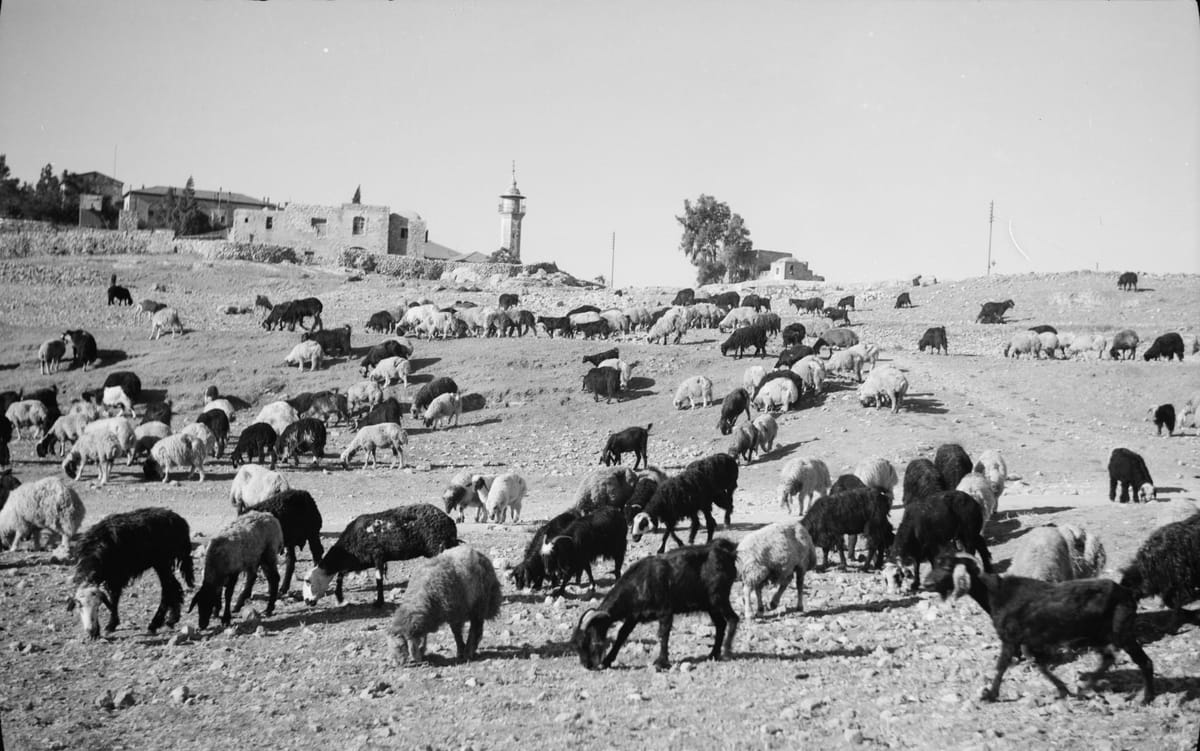
At the end of Yaakōv's years of work, Lovon is reluctant to let him go because Hashem blessed Lovon's flock on Yaakōv's merit. As Yaakōv leaves, Lovon agrees that he is entitled to the spotted, speckled, and brown goats and sheep of the flock as payment for his last 6 years of labor. Yaakōv begins rounding them up and Lovon notices that all "sturdy" livestock are going with Yaakōv and becomes angry.
Bereshis 31:6–7
Yaakōv is a hard and honest worker. Lovon is jealous of the flock Yaakōv has amassed from the strong speckled goats. Yaakōv complains that he worked for twenty years wherein "scorching heat ravaged me by day and frost by night; and sleep fled from my eyes."
The narrative is sympathetic to the worker who bootstrapped his way into wealth, clearly blessed by Hashem with an abundance of livestock, wives/concubines, and children. While we should be critical of the messaging that wealthy people are favored by G-d and their wealth is a reflection of their righteousness, I'm comfortable enough taking the message that bosses are not to be trusted. Yaakōv is a lone worker, making him even more vulnerable to exploitation. Luckily for him, Hashem is on his side. For the rest of us, it helps to have a union.
This is the end of the public preview. Sign up for $5 a month to read the full dvar and support trans antizionist Tōrah scholarship.
Money shouldn't a barrier to accessing writing, art, and culture. If $5 a month isn't sustainable for you, please email me and I'll send you the link to sign up for free.