Vayishlaḥ and Wrestling with nameless men / וישלח און באָרען זיך מיט מענער אָן נעמען
The blessings of hidden identities and newly bestowed names
This is a weekly series
of parsha dvarim (Tōrah commentaries) written by an orthodox atheist transsexual anarchist, with guest posts from comrades. It's the work of each generation to extricate meaning from our cultural and religious inheritance, and it's crucial that we resist the narrative that Zionism owns Judaism. We aim to offer comment which is true to the pshat (i.e. engages with the plain meaning of the text, especially when it's difficult) and uses Tōrah like a light to reflect on our modern times.
Read more commentary on parshas Vayishlaḥ.
An appeal
My friend Kamal in Gaza needs help. The situation is still so bleak. Any money you can send is lifesaving.
Content note
Sex
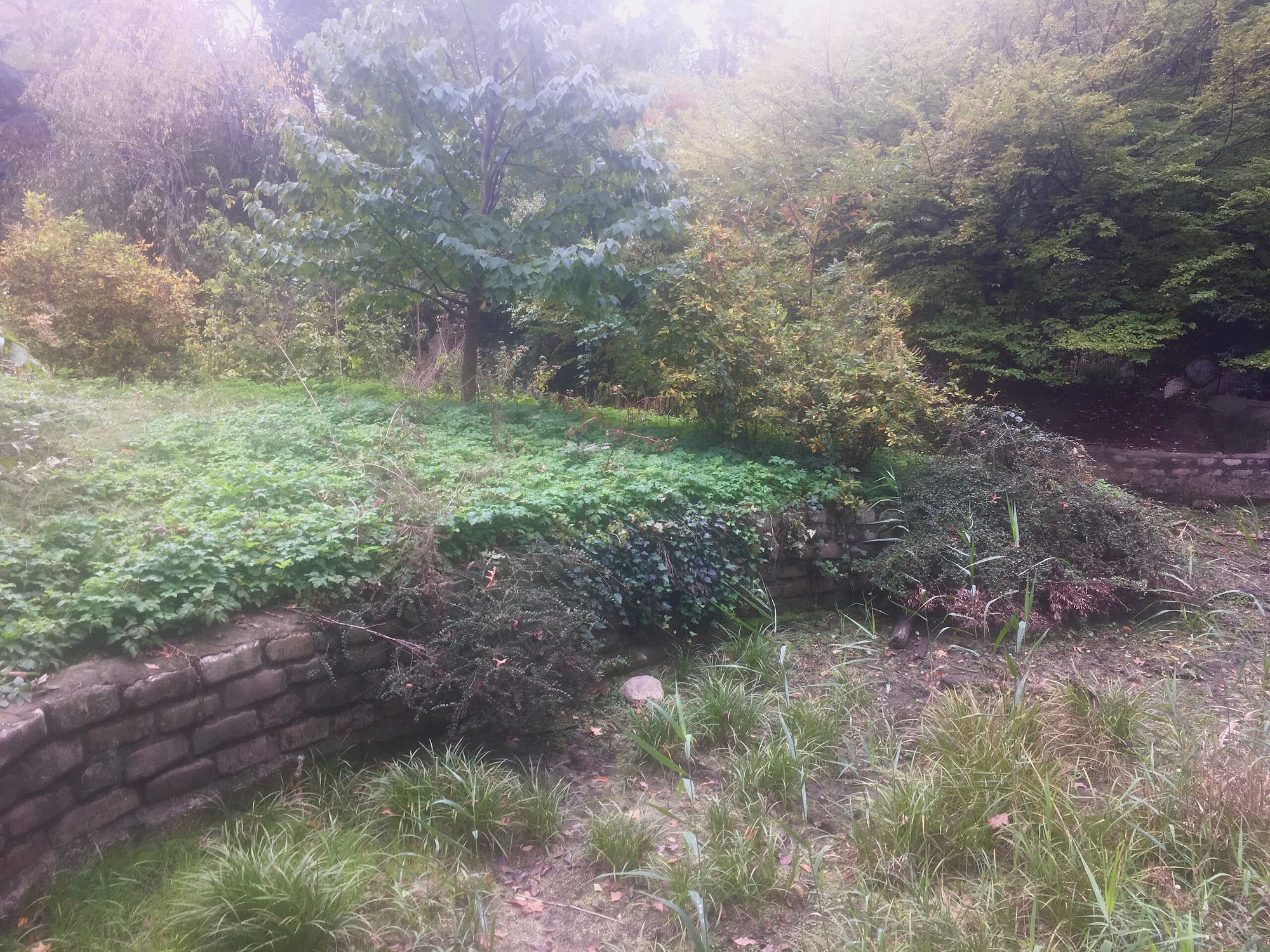
Yaakov and his large family travel back to Knaan. Everyone else crosses the river Yabōk with all their livestock and possessions; Yaakov stays behind and spends the night on the bank, but he doesn't sleep.
Bereshis 32:25–27
There is a tantalizing ambiguity in the identity of the figure that Yaakov engages. Is he a man or an angel? Is it a physical or a spiritual struggle? Yes.
Yaakov demands a blessing, and is blessed with a new name: Yisroel, or G/d-wrestler. His homoerotic night of hip-wrenching becomes the key characteristic not only of himself, but the entire Jewish people. We are Am Yisroel, a nation of G/d-wrestlers. For better or for worse, we are defined by struggle.
The blessing of a new name is familiar to trans people, and historically to gay people. Max becomes Mary in the company of friends, not because he's a woman in earnest but because being gay is a gender failure and it's a fun bit of camp to play into it—faggots are women. The new name only comes from recognition of the in-group. It's a term of endearment and a mark of belonging.
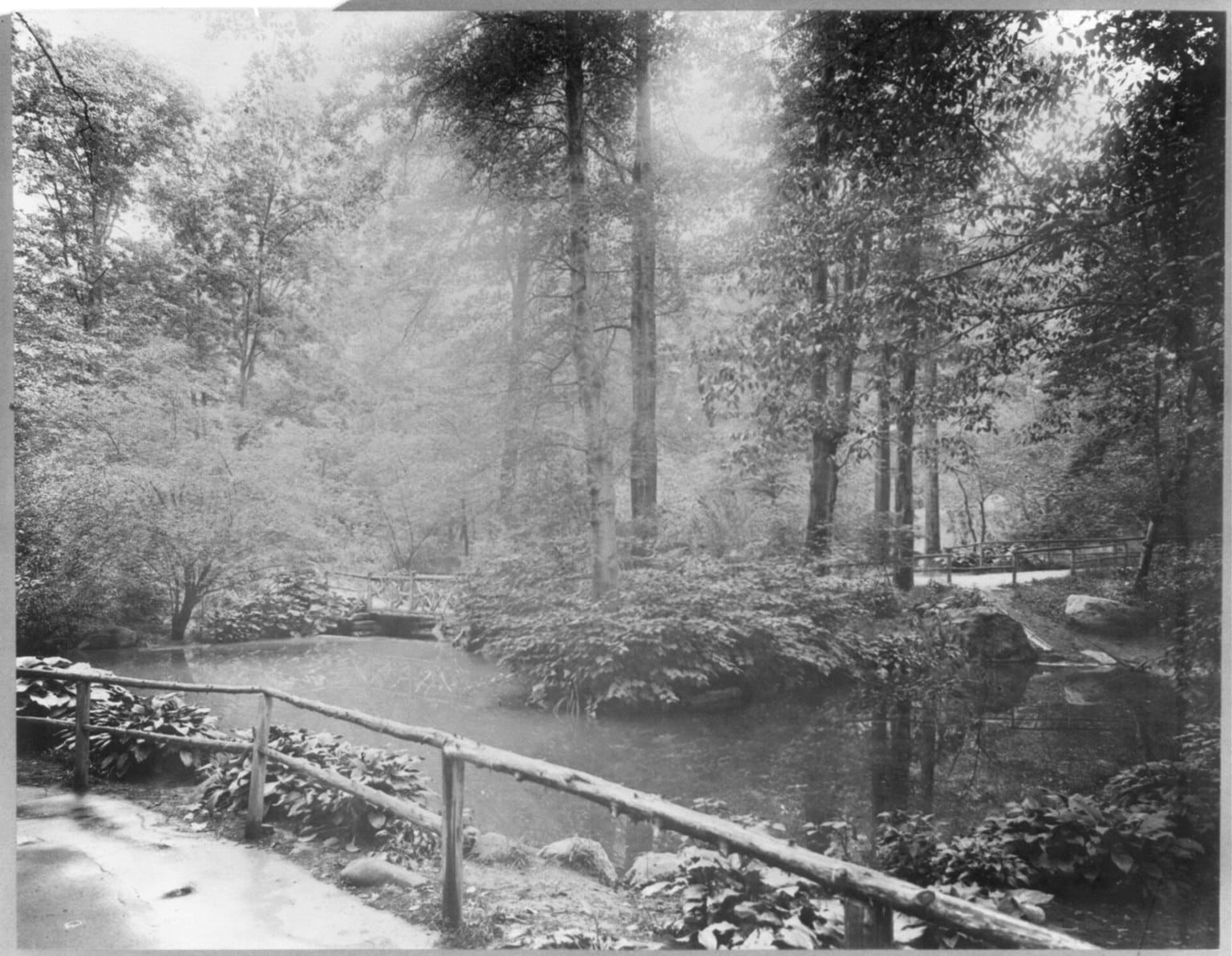
As a gay Jew, I wrestle with a nameless G/d and with nameless men.
My hip gets pulled out of its socket several times a week by new, unknown men. I find them in bathhouses, sex parties, the street, and of course on the apps, but my favorite place is Yaakov's: outside. (I've never cruised until dawn but who knows what next summer will bring.) I keep a list of their ages and races (often estimated), where we met, where we fucked—the bathhouse, the men's shelter, his penthouse, the park—and whether or not we knew each other beforehand. Usually: no.
This is the end of the public preview. Sign up for $5 a month to read the full dvar and support trans antizionist Tōrah scholarship.
Money shouldn't a barrier to accessing writing, art, and culture. If $5 a month isn't sustainable for you, please email me and I'll send you the link to sign up for free.